Natural character
Authentic grain, knots and tonal variation give each floor a distinct presence.
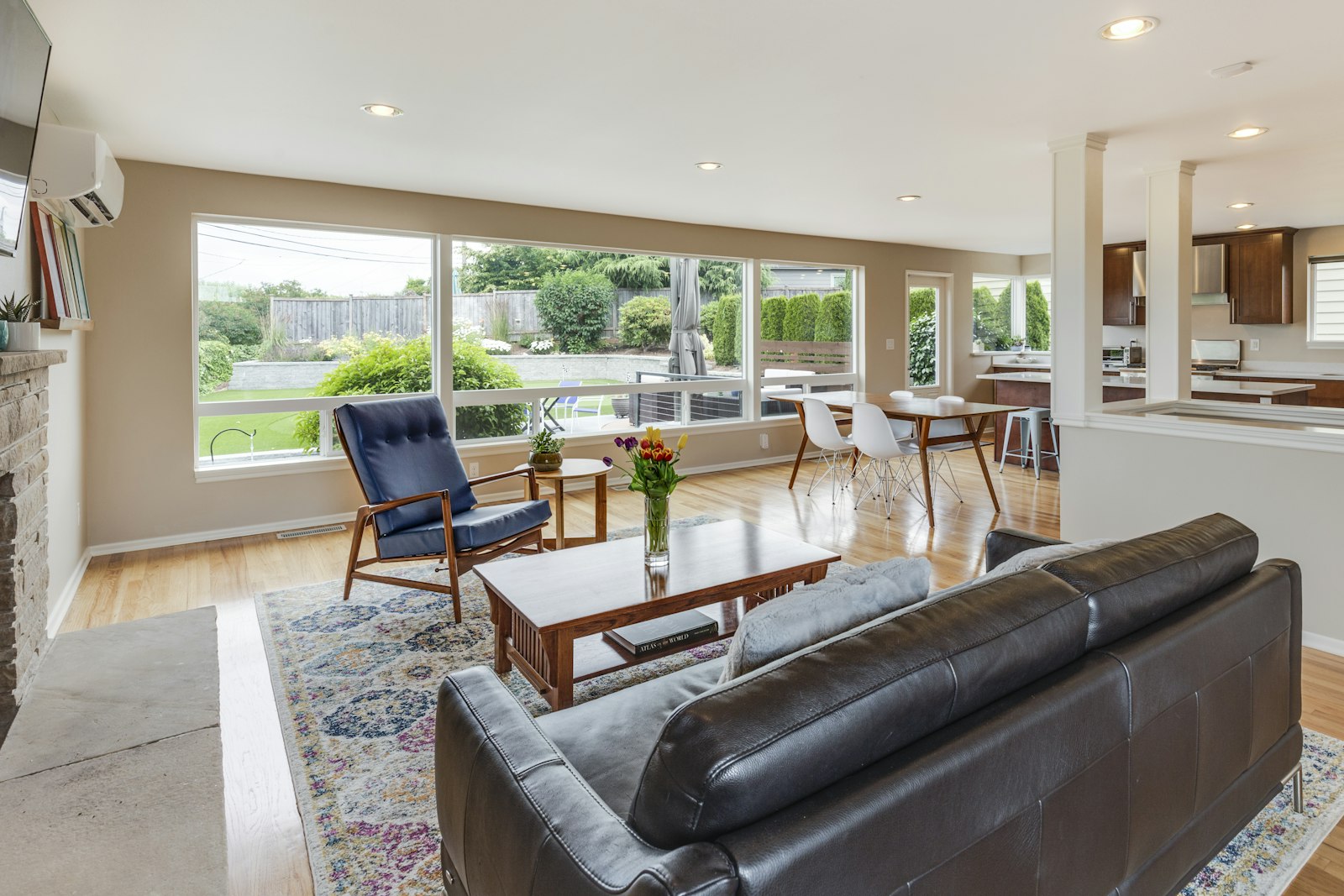
Hardwood flooring · London, Ontario
Discover hardwood with the grain, proportion and finish considered in your own light—and a complete plan for installation.
The material
Hardwood brings natural variation, warmth and a sense of permanence to a home. Every board responds differently to species, stain and light, creating a surface with depth that printed materials can only reference.
The right hardwood is not selected by colour alone. Construction, plank width, finish, subfloor, humidity and installation method all shape how it will look and perform over time.
Why choose it
Authentic grain, knots and tonal variation give each floor a distinct presence.
A well-planned hardwood floor can connect main living areas, hallways and stairs with visual consistency.
Species, grade, plank width, surface texture, colour and sheen create very different expressions.
Appropriate products can offer lasting service, with refinishing potential varying by construction and wear layer.
Where it works best
Hardwood is especially effective where natural material and continuity matter. Suitability still depends on moisture, subfloor and product construction.
What to consider
Hardwood is a natural material. A good recommendation accounts for the conditions around it as carefully as its appearance.
Seasonal humidity changes can affect wood. Product acclimation and stable indoor conditions are important.
Basements and moisture-prone areas require careful product and installation evaluation; solid hardwood is not appropriate everywhere.
Subfloor type, flatness and site conditions help determine whether nail, glue or floating installation is suitable.
Nosings, vents, adjoining surfaces and floor heights should be resolved before ordering begins.
The Shop-from-Home experience
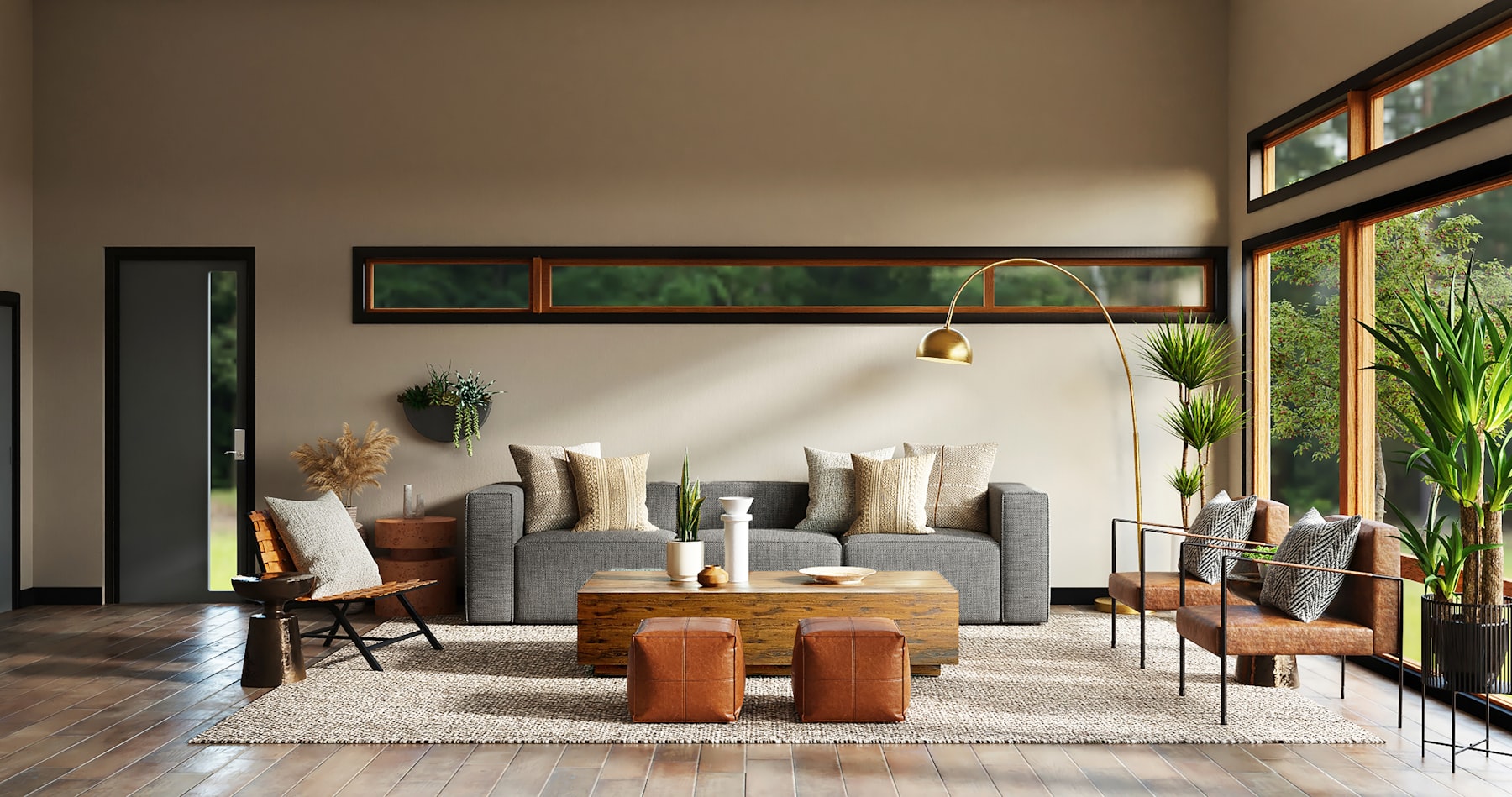
Wood changes throughout the day. A tone that feels neutral under showroom lighting can read warmer, cooler or more varied beside your windows, cabinetry and paint.
Your consultant narrows the field, brings appropriate hardwood samples to your home and considers the connected spaces, stairs and installation conditions at the same time.
Installation & project support
Support can extend from selection and measuring through ordering, preparation, professional installation, transitions and cleanup, with the exact scope confirmed for your project.
Frequently asked
Solid hardwood is wood through the full board. Engineered hardwood uses a real-wood surface over a layered core designed for added dimensional stability. Both can be premium choices; the right construction depends on the subfloor, grade level, installation method and desired refinishing potential.
Some engineered hardwood products may be approved for below-grade use when moisture and site conditions are suitable. Solid hardwood is generally not recommended below grade. Product specifications and the condition of the space should be reviewed before selection.
Wood naturally gains and loses moisture as indoor humidity changes. That movement can create seasonal gaps or expansion. Stable indoor humidity, appropriate acclimation and correct installation help the floor perform as intended.
Yes, when the chosen product has a compatible stair solution and the existing stair construction supports it. Treads, nosings, landings, rail details and transitions should be planned together.
Consider room scale, sightlines, natural light, cabinetry, paint and the amount of natural variation you enjoy. Viewing several full-size samples in the home is more informative than choosing from a small swatch.
Complimentary in-home consultation
Book a complimentary in-home consultation and compare hardwood constructions, tones and plank proportions where the floor will actually live.