
Design range
Colour, scale, texture, pattern and finish can make tile quiet and monolithic or expressive and detailed.
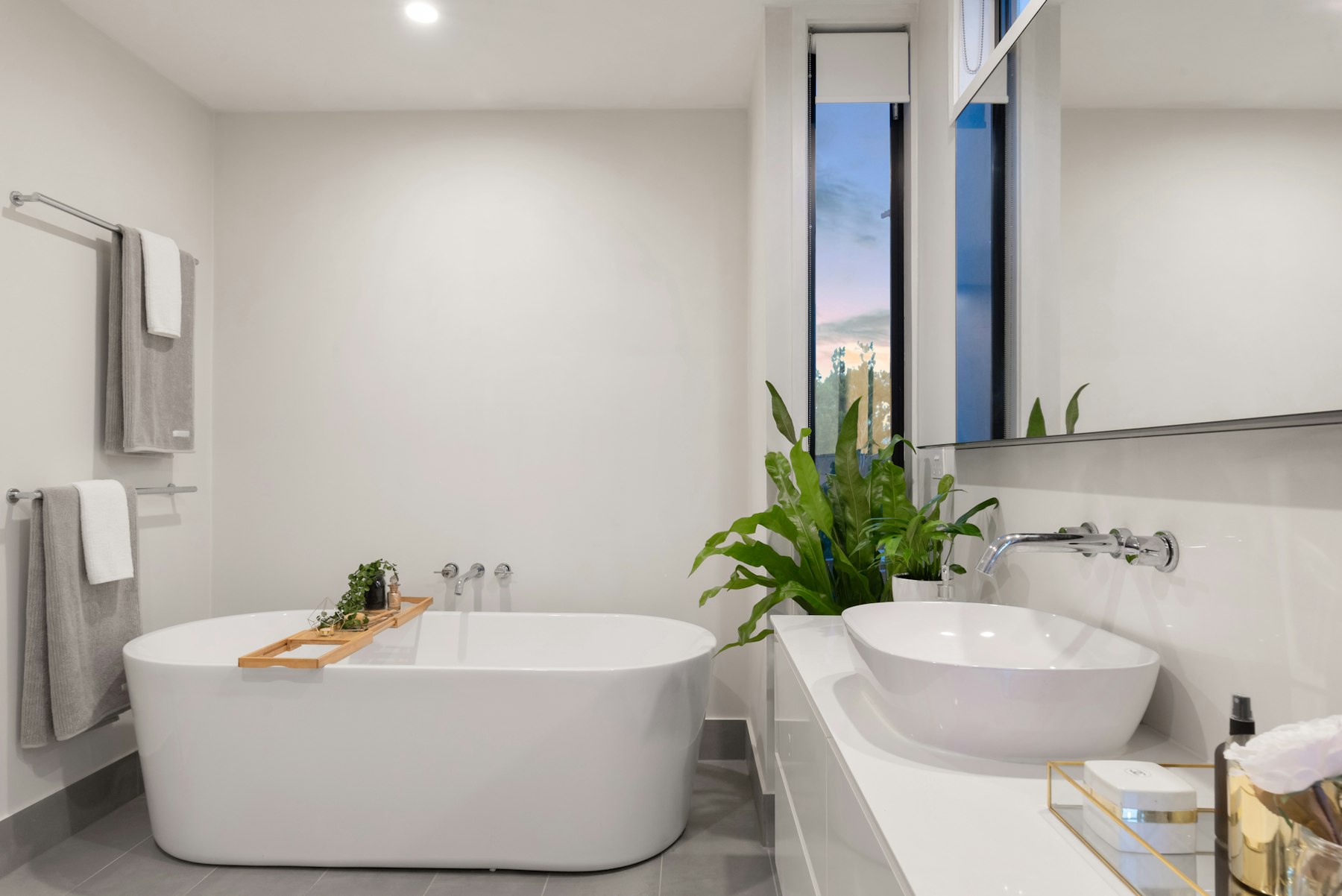
Tile surfaces · London, Ontario
Floor tile, walls and backsplashes considered as one architectural composition—from proportion and finish to grout and installation.
The material
Tile can establish the entire architecture of a bathroom, anchor an entrance or create a precise backsplash that connects cabinetry and countertops. Format, layout, finish and grout each affect the final composition.
Porcelain and ceramic serve different applications, while natural stone—when available and appropriate—brings its own maintenance and installation requirements. The substrate and installation quality are as important as the tile itself.
Why choose it
Colour, scale, texture, pattern and finish can make tile quiet and monolithic or expressive and detailed.
Correctly specified tile assemblies can support bathrooms, showers, entries and other demanding applications.
Suitable products resist everyday wear and are straightforward to maintain when installation and grout are properly planned.
Coordinate floors, walls, niches, backsplashes and feature areas through a unified material palette.
Where it works best
Tile performs across floors and walls, but each application has different slip, moisture, substrate and installation requirements.
Coordinate floor scale, shower details, wall surfaces and slip considerations within the complete assembly.
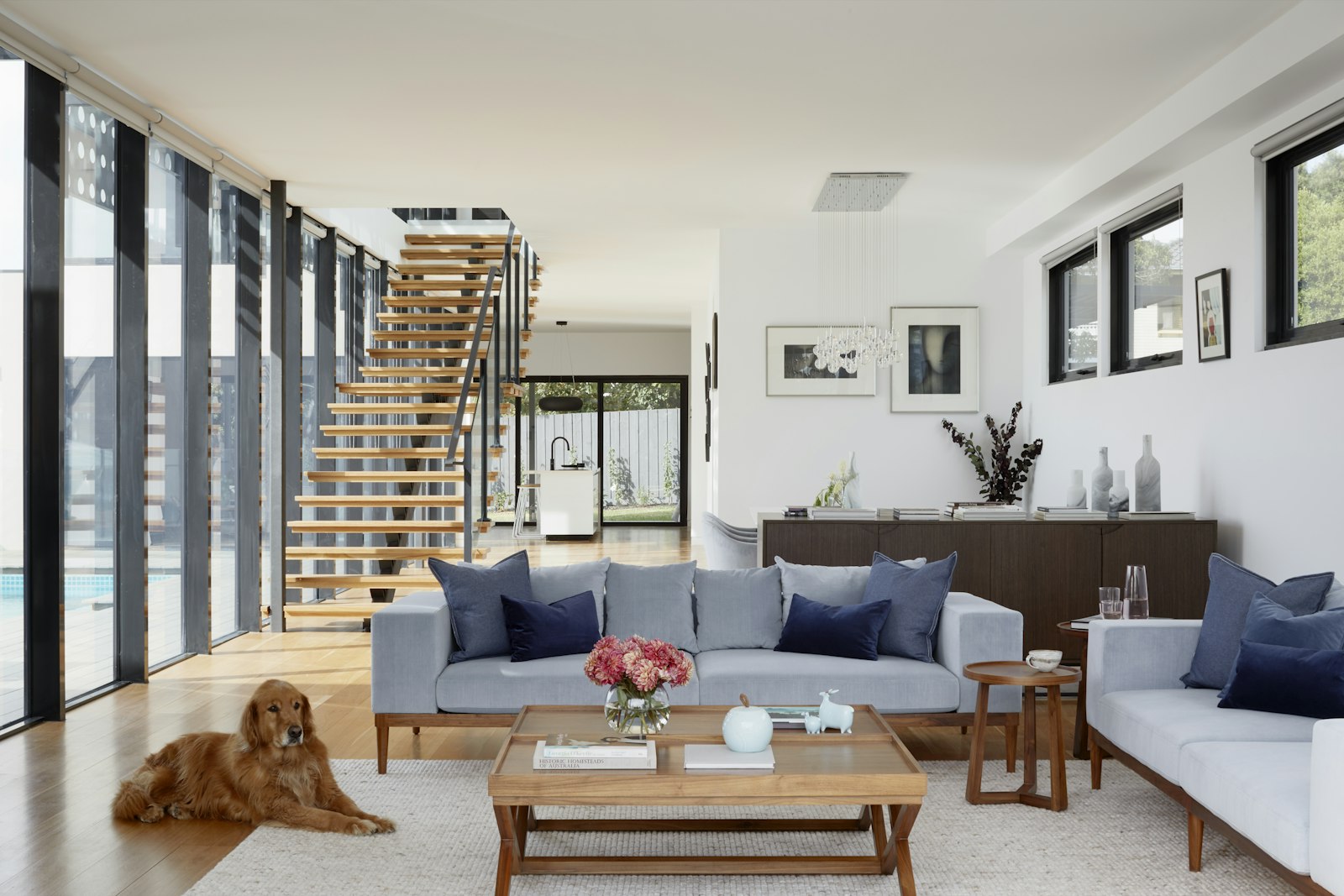
Use format, colour and grout to connect cabinetry, counters and the room’s broader material palette.
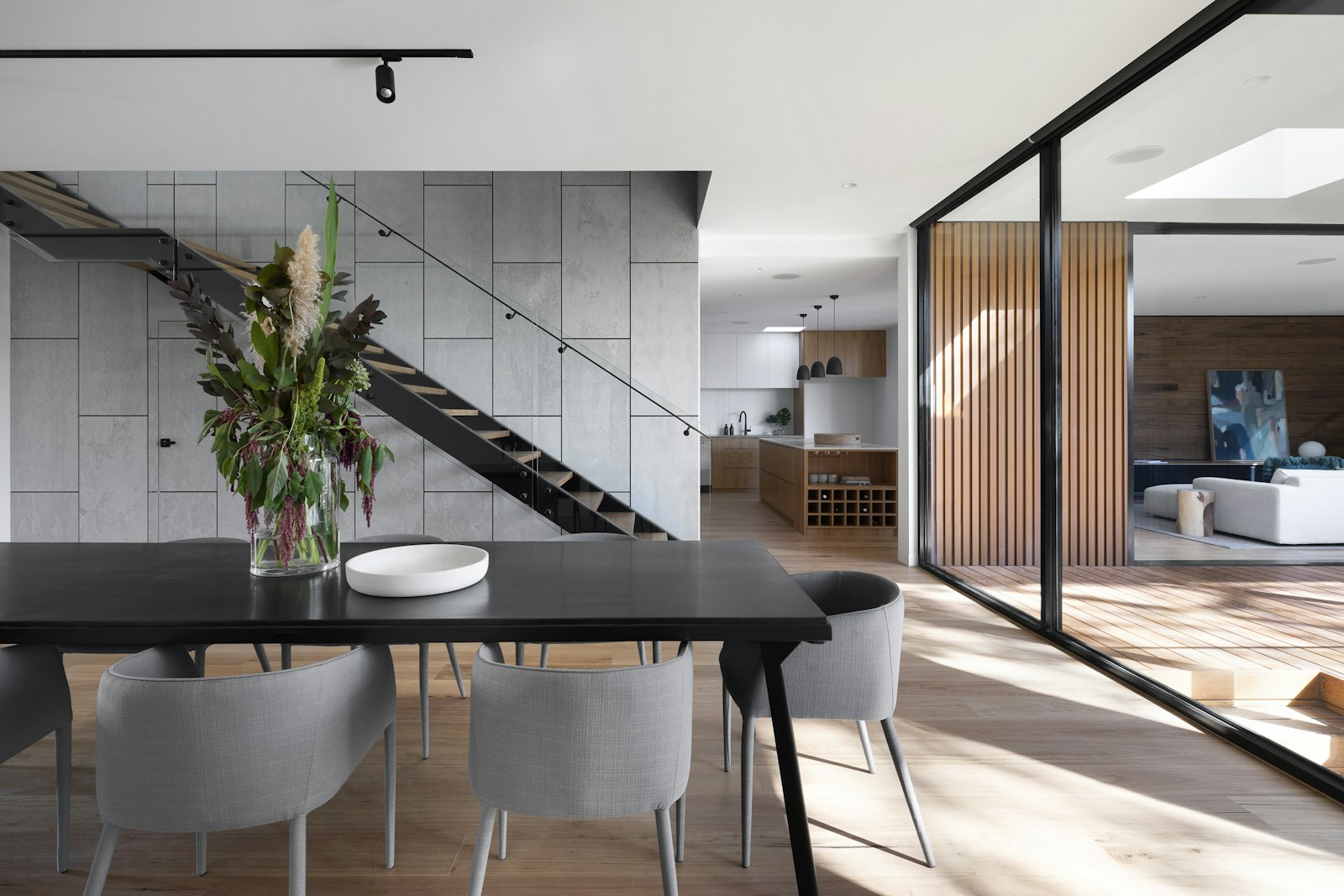
Specify a durable, cleanable surface with appropriate texture and transitions for changing outdoor conditions.
What to consider
Tile is unforgiving of weak preparation. Layout and substrate decisions determine how refined the finished surface feels.
Large-format tile and long sightlines require careful substrate preparation and layout planning.
Showers and wet rooms require complete waterproofing systems beyond the visible tile surface.
Surface texture and product rating should suit the application, especially where floors may be wet.
Heated-floor compatibility, finished height, thresholds and connections to other floors should be resolved early.
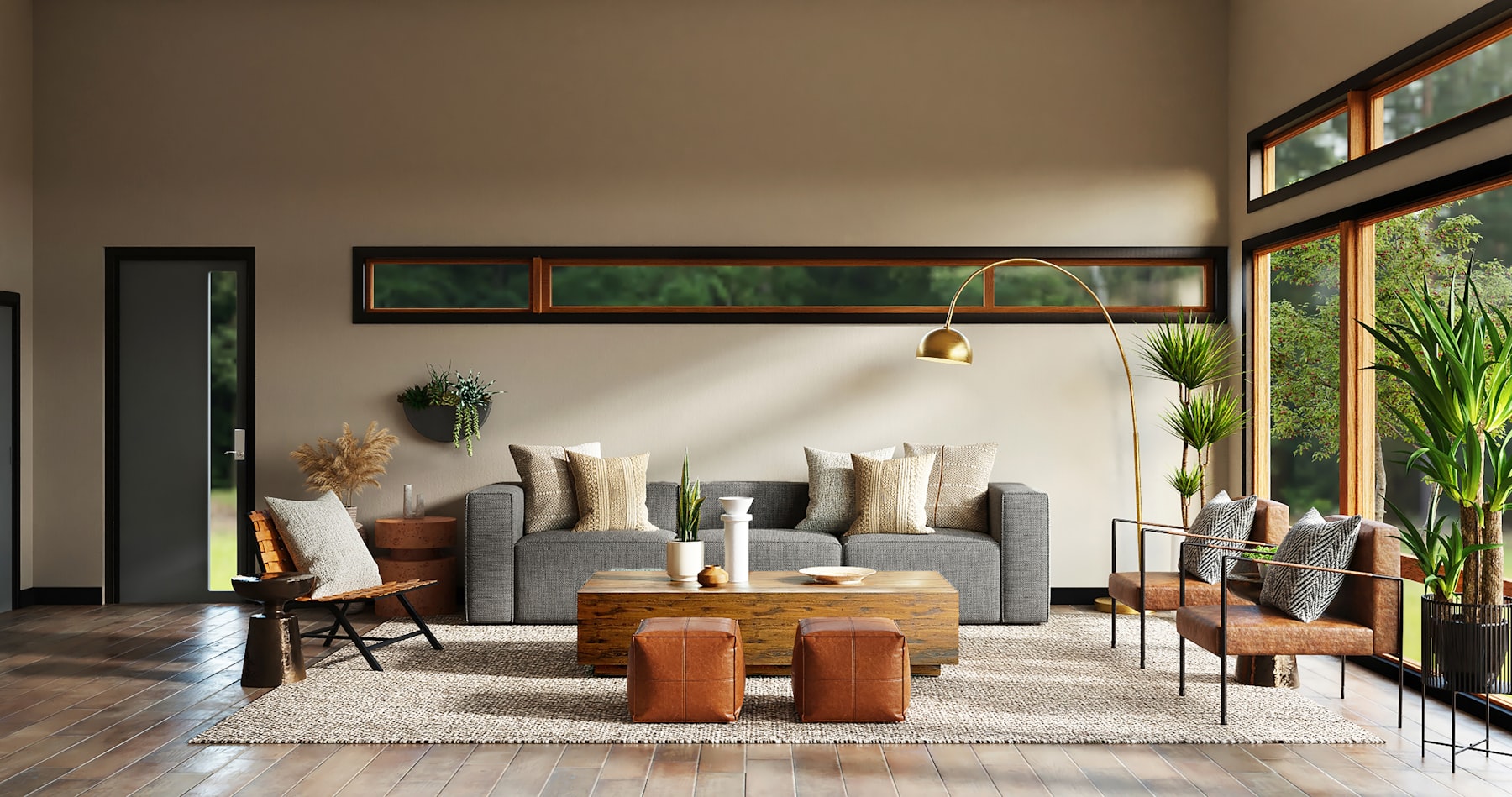
The Shop-from-Home experience
Tile interacts closely with cabinetry, counters, plumbing finishes, paint and natural light. Reviewing samples in the room makes undertones and surface reflection much easier to understand.
A focused in-home review also creates space to discuss format, grout, transitions, floor heat and installation conditions before the design is finalized.
Installation & project support
Depending on the project, support can include material selection, measuring, quantities, removal and preparation planning, tile installation coordination, transitions and cleanup. Wet-area assemblies require project-specific scope confirmation.
Frequently asked
Porcelain is typically denser and has lower water absorption. Ceramic encompasses a broad range of products, many intended for walls and some rated for floors. The product’s tested rating and intended use matter more than the label alone.
Choose tile rated for floors and appropriate for wet conditions, with a format and finish that support grip, drainage and the room’s layout. The waterproofing and substrate beneath the tile are equally important.
Often yes if the structure and setting materials can support its weight. Wall tile cannot automatically be used on floors because it may not have the required strength or wear rating.
Grout colour, joint width, type, sealing requirements and maintenance all affect the finished design. Grout is not a substitute for waterproofing, and installation guidance varies by product and application.
Many tile systems work well with approved electric or hydronic floor heat. The heating system, substrate, membrane, setting materials and movement accommodation must be compatible.
Complimentary in-home consultation
Book a complimentary in-home consultation to compare tile formats, finishes and grout direction alongside the surfaces already in your space.